
Fentanyl Designated as Weapon of Mass Destruction Following Maduro Capture
The Bottom Line
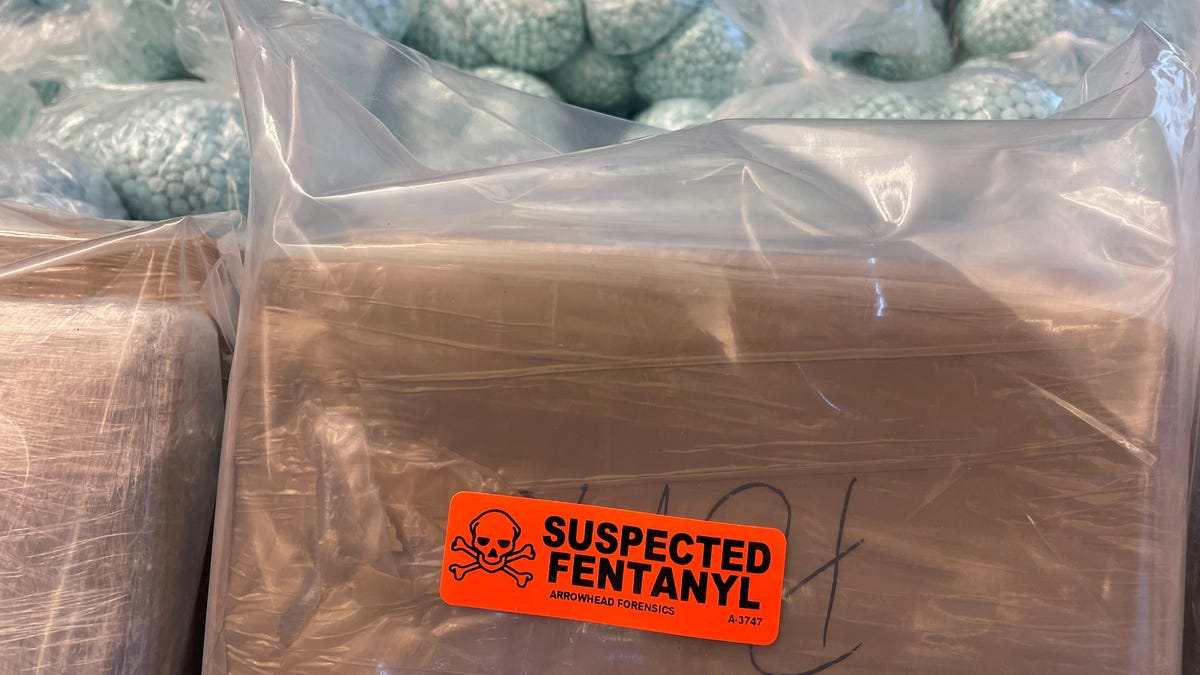
President Trump signed an executive order labeling fentanyl a weapon of mass destruction to help stop the drug from killing thousands of Americans. This change lets the government use tougher sanctions and better intelligence to track and shut down illegal drug networks. The order is now in effect and follows the capture of Nicolás Maduro to target international traffickers.
Policies— 1 policy
Who This Affects
5 groupsHurts
People convicted of fentanyl trafficking could face significantly harsher sentences under this order. By classifying fentanyl as a weapon of mass destruction, federal prosecutors are directed to pursue sentencing enhancements and variances, meaning anyone caught trafficking fentanyl may spend much longer in prison than under previous guidelines. This could also affect people already in the system facing pending charges.
The order directs the military and Department of Homeland Security to treat fentanyl smuggling as a WMD-level national security threat, which could intensify border enforcement operations. Undocumented individuals crossing the border may face heightened scrutiny, expanded military presence, and more aggressive interdiction efforts, even if they have no connection to drug trafficking.
The Treasury Department is directed to pursue actions against financial institutions and assets connected to fentanyl trafficking. Small businesses in industries that handle international transactions or chemical supplies could face additional compliance requirements or scrutiny, particularly those near the border or in supply chains that overlap with precursor chemicals.
Mixed
The order specifically targets only "illicit" fentanyl and does not change how legal fentanyl is prescribed by doctors. However, patients who rely on prescription fentanyl for chronic pain management may worry about supply chain disruptions or increased scrutiny from pharmacies and insurers as enforcement ramps up. The practical effect on legal prescriptions remains uncertain.
The order directs the Secretary of War (Defense) to evaluate whether military resources should be provided to the Department of Justice for fentanyl enforcement under existing law. It also requires updating military directives for chemical incident response to include fentanyl threats. Active-duty service members could see new domestic mission assignments related to counter-fentanyl operations, expanding their role beyond traditional military duties.
1 Article
Don't mistake Trump's Venezuela raid for progress on fentanyl | Opinion
Analysis generated by AI. Always verify with official sources.