
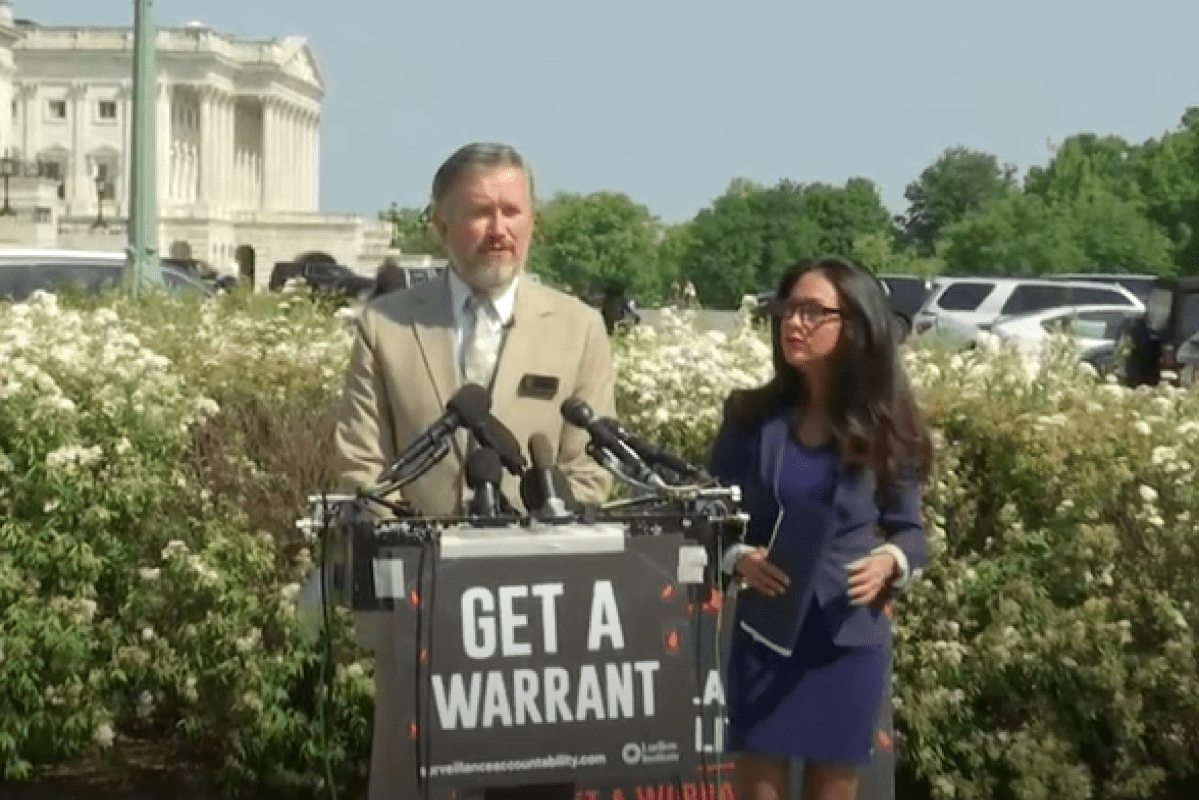
Rep. Massie and Rep. Boebert Introduce Bill Requiring Warrants for Government Access to Digital Data
2 months ago
Rep. Massie and Rep. Boebert Introduce Bill Requiring Warrants for Government Access to Digital Data
The Facts
Who This Affects
Hurts
Federal employees involved in law enforcement, intelligence, or investigations would face new personal liability for Fourth Amendment violations. The bill explicitly makes federal employees (except the President and Vice President) subject to lawsuits if they conduct unlawful searches, creating a new legal risk that does not currently exist in a clear statutory form at the federal level.
Mixed
People with criminal records or those under investigation could benefit from stronger warrant protections, as law enforcement would face higher barriers to accessing their digital data, communications, and location history. However, the bill does not change existing rights for those already convicted, and the practical benefit depends on enforcement and judicial interpretation of the new standards.
Helps
The bill protects 'any person within the jurisdiction' of the United States, not just citizens, meaning undocumented individuals would gain stronger protections against warrantless government surveillance, data collection, and biometric tracking. This could limit the ability of immigration enforcement agencies to use automated license plate readers or facial recognition to locate and track people without a warrant.
Visa holders would benefit from the same warrant protections as citizens under this bill, since it covers any person within U.S. jurisdiction. Government agencies would need warrants to access their third-party data, track their movements, or use biometric surveillance against them.
Permanent residents would gain clearer warrant protections for their digital data, communications, and biometric information. The bill's explicit inclusion of 'any person within the jurisdiction' ensures green card holders have a right to sue federal employees who violate their Fourth Amendment rights.
News
The Republican civil war over FISA explained
Analysis generated by AI. Always verify with official sources.