
Trump Orders 100% Tariff on Imported Brand-Name Drugs to Force Shift to U.S. Manufacturing
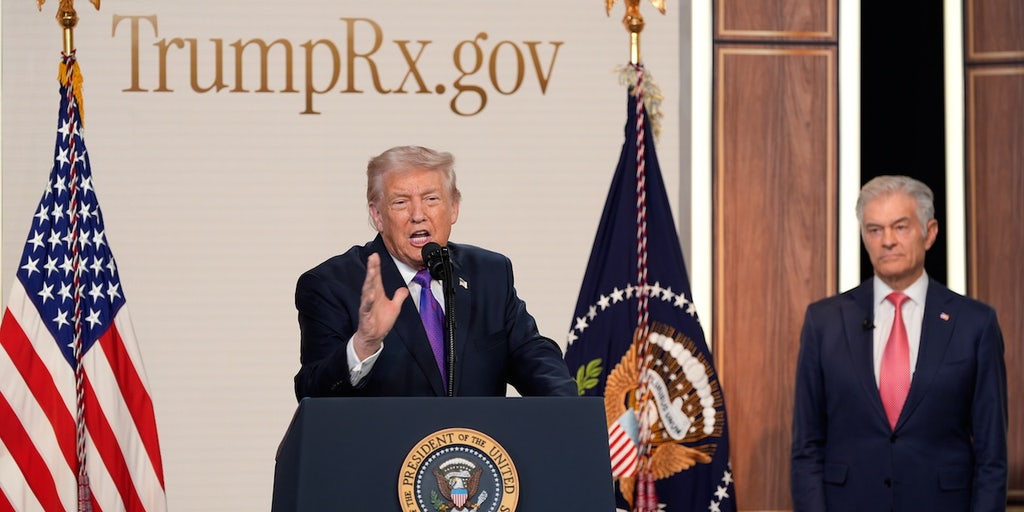
13 days ago
Trump Orders 100% Tariff on Imported Brand-Name Drugs to Force Shift to U.S. Manufacturing
14 days ago
Senator Durbin warns pharmaceutical tariffs will hike medicine costs and endanger rural hospitals
14 days ago
White House Invokes Section 232 to Justify Pharmaceutical Tariffs as National Security Measure
14 days ago
White House Targets Drug Imports With Tariffs to Force Domestic Manufacturing Shift
14 days ago
President Trump Orders 100% Tariff on Imported Brand-Name Pharmaceuticals and Ingredients
The Facts
Key Statements
“President Trump authorizes tariffs up to 100% on imported patented drugs from countries without trade deals to incentivize domestic manufacturing.”
This article confirms the 100 percent tax rate and specifies it applies to countries without trade deals.
“Trump administration announces tariffs up to 100% on imported branded drugs for companies that do not commit to U.S. manufacturing or most favored nation pricing agreements.”
This source outlines the specific conditions companies must meet to avoid the new tariffs.
Who This Affects
Mixed
Small businesses that provide health insurance to employees could face higher premiums driven by increased brand-name drug costs. On the other hand, companies involved in domestic pharmaceutical manufacturing, contract research, or supply chain services could see new business opportunities as drug makers look to move production to the U.S.
Active military members depend on a reliable supply of medicines through TRICARE and military health facilities. While the order's goal of building domestic production capacity could strengthen medicine supply security during conflicts, the transition period could create disruptions or cost pressures on military healthcare budgets.
Veterans who receive prescription drugs through the VA healthcare system could be affected by higher costs for imported patented drugs. The VA negotiates drug prices directly with manufacturers, which may limit some cost increases, but the tariffs could still raise costs for certain brand-name medications used to treat conditions common among veterans.
Union members with employer-provided health plans could face higher drug costs passed along through premiums or copays. However, if pharmaceutical companies move production to the U.S., it could create well-paying manufacturing jobs that unions could organize, particularly in areas with existing pharmaceutical infrastructure.
Pregnant women who need brand-name medications could see cost increases. However, the order specifically exempts fertility treatments from tariffs, which protects one important category of reproductive healthcare. The net effect depends on which specific patented drugs are needed during pregnancy.
News
Trump slaps up to 100% tariff on some brand-name drug imports in major America First push
Trump to Impose 100% Tariff on Some Drugs as Trade Barriers Rise
Trump Administration Unveils Up to 100% Tariff on Branded Drugs
Analysis generated by AI. Always verify with official sources.