
Skip to content
Govbase

Policy-Driven News

Govbase

U.S. and Allies Bolster Critical Mineral Security via Global Pacts and Mining

October 27, 2025 – February 24, 2026·Foreign Policy, National Security, Trade, Technology, Renewable Energy, Economy, Energy

The Bottom Line

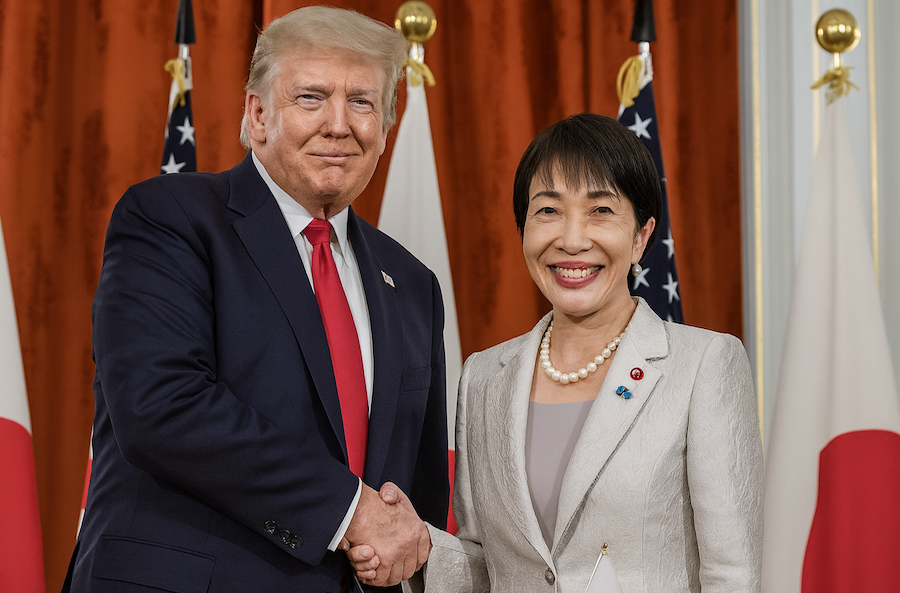
The U.S. and Japan are partnering to fund mines and speed up permits for minerals used in electronics and energy. This effort aims to reduce reliance on risky foreign suppliers and protect American businesses from supply shortages. President Trump has set a 180-day deadline for trade talks to succeed before he considers adding tariffs or price floors.

Legislation2 policys

These actions include a joint international agreement with Japan and a domestic presidential proclamation. Together, they create a two-part strategy to secure minerals through both global partnerships and trade enforcement.

Who This Affects

Small Business Owner

Small businesses that rely on imported critical minerals — like electronics manufacturers, battery makers, and tech component suppliers — could face higher costs if negotiations lead to tariffs or price floors on these materials. On the other hand, small businesses involved in domestic mining or mineral processing could benefit from new demand and investment as the government pushes to build up American production capacity. The uncertainty around what trade restrictions might eventually be imposed makes planning difficult for businesses on both sides.

Military Active

Active military members depend on advanced weapons systems, communication networks, navigation equipment, and vehicles that all require critical minerals. This proclamation is designed to ensure the military has a reliable, secure supply chain for these materials so that equipment production and readiness aren't disrupted by foreign supply cutoffs. A more resilient domestic supply chain means fewer risks of shortages affecting the gear and technology service members rely on.

Military Veteran

Veterans benefit indirectly from a stronger defense industrial base. Ensuring reliable access to critical minerals supports the long-term health of the defense sector that many veterans transitioned from, and helps maintain the technological edge of the military they served. The impact is more indirect than for active duty members but reinforces the national security framework veterans helped build.

Farmer Rancher

Farmers and ranchers use equipment and technology that depends on critical minerals — from GPS-guided tractors to battery-powered tools and electronics. If trade negotiations lead to tariffs on mineral imports, it could raise prices for farm equipment and technology over time. There's also a risk that trade partner countries could retaliate against U.S. agricultural exports, which has happened in past trade disputes. However, these impacts are speculative and depend on how negotiations unfold.

Gig Worker

Gig workers who depend on electronics — smartphones, laptops, electric vehicles — could see higher prices for these devices if tariffs or price floors on critical minerals raise manufacturing costs. The effect would be indirect and gradual, but since gig workers often bear their own equipment costs, price increases on tech and vehicles would hit their bottom line. This impact is uncertain and depends on whether negotiations fail and tariffs are imposed.

Federal Employee

Federal employees at the Commerce Department, the Office of the U.S. Trade Representative, and related agencies will be directly tasked with conducting negotiations, monitoring imports, and potentially developing new regulations. This creates new workload and responsibilities. The proclamation directs these agencies to take 'all actions appropriate' to implement the policy, which could mean significant new rulemaking and compliance duties.

The Debate

Supporting

0

Supporters believe that securing mineral supplies is vital for daily life and will shield American companies from global market shocks.

Opposing

0

Critics may argue that government price floors and the threat of tariffs could increase costs for manufacturers and lead to trade friction with other nations.

Analysis generated by AI. Always verify with official sources.