
Trump Announces U.S.-Malaysia Trade Deal, Cutting Barriers on Farm Goods, Chips, and Critical Minerals
A house committee must act next: committee consideration.
How this policy affects specific groups of people

Following high-level negotiations, the U.S. and Malaysia finalized a deal to lower the reciprocal tariff rate to 19%. Malaysia conceded on issues including halal certification for U.S. pharmaceuticals and the supply of rare earth elements to help Washington reduce its reliance on China.
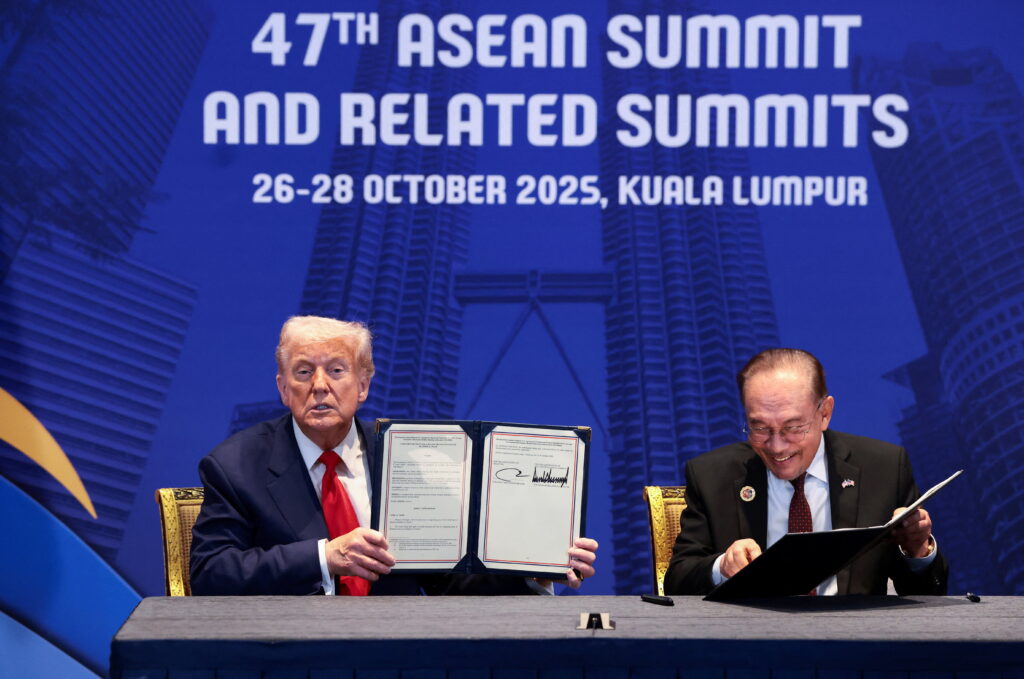
During the ASEAN Summit, President Trump and PM Anwar signed a trade deal elevating relations to a Comprehensive Strategic Partnership. The agreement focuses on reciprocal tariffs and critical minerals, securing U.S. access to Malaysia's resources while opening markets for American exporters.
Critics argue the U.S.-Malaysia Agreement on Reciprocal Trade (ART) is an 'unequal treaty' forged under duress. While it lowers the threatened 24% tariff to 19%, it imposes heavy obligations on Malaysia regarding digital trade, state-owned enterprises, and alignment with U.S. national security.
Document Type
White House Statement
Official Title
Joint Statement on United States-Malaysia Agreement on Reciprocal Trade
Analysis generated by AI. Always verify with official sources.