
Trump Signs National Defense Authorization Act, Approving Military Pay Raise for 2026
Scores run from -100 (strongly harmful) to +100 (strongly beneficial) for each group, combining impact, certainty, scope, and duration ratings of 1-5. How impact scoring works
The NDAA often includes provisions affecting veterans through modifications to benefits administration, healthcare access, and transition programs. While the summary doesn't detail specific veterans provisions, past NDAAs have routinely included updates to veteran-related programs. The exact nature of these changes is unclear from the bill summary alone, but veterans should watch for any new eligibility rules or program updates.
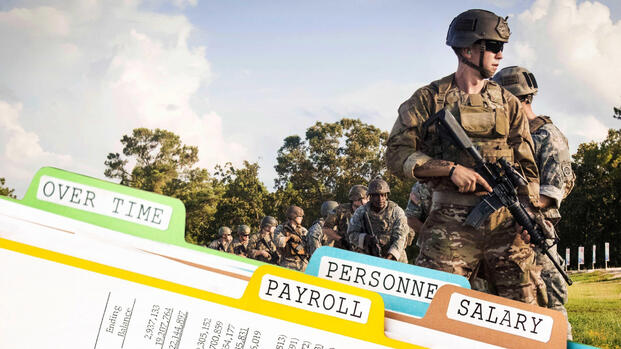
President Donald Trump signed the FY2026 National Defense Authorization Act (S. 1071) into law on Dec. 18, confirming a 3.8% basic pay raise for active-duty troops and reservists. The raise, effective January 2026, aims to help service members keep pace with the cost of living.
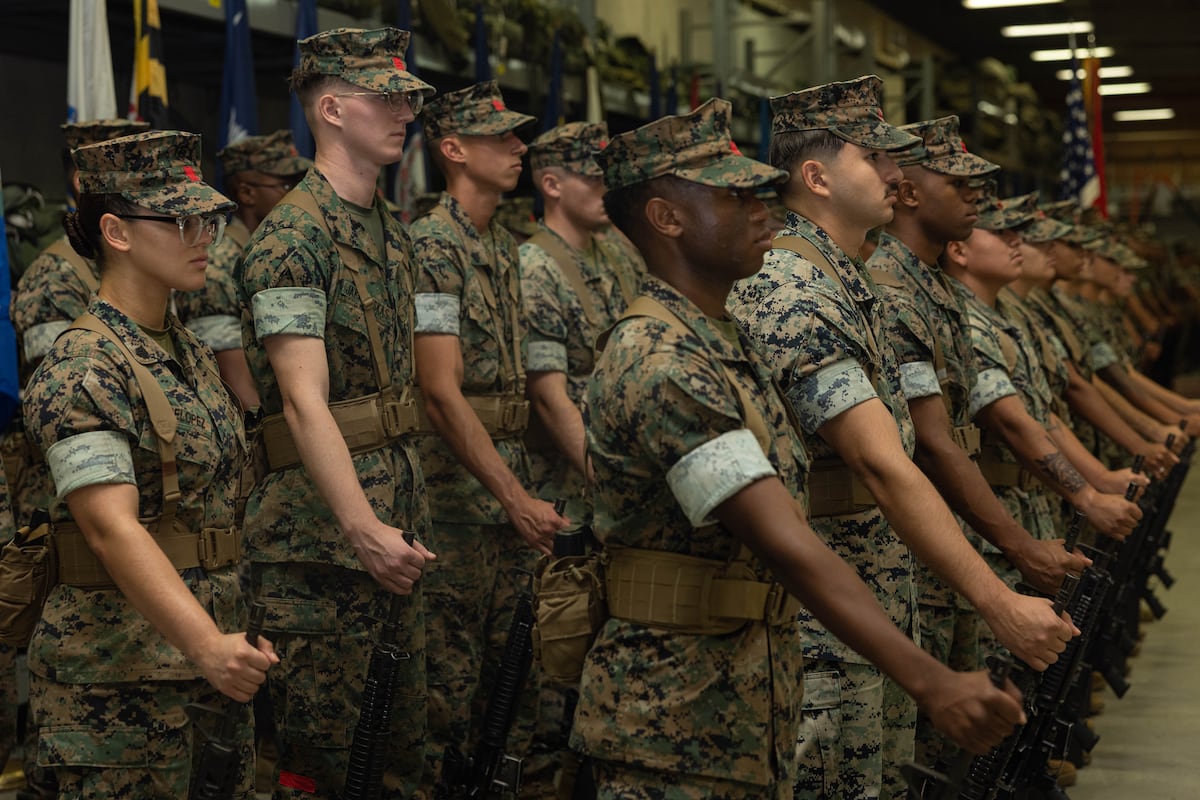
The final version of the FY2026 NDAA (S. 1071) includes a 3.8% across-the-board pay raise and several quality-of-life improvements, such as increasing the family separation allowance to $300 per month and expanding parental leave flexibility for service members.
Lawmakers used the FY2026 defense bill (S. 1071) to repeal the 1991 and 2002 Authorizations for Use of Military Force (AUMFs). While the bill provides a 3.8% pay raise, it also serves as a check on executive power following lethal military strikes against suspected drug smugglers in the Pacific.
Document Type
White House Statement
Official Title
Congressional Bill S. 1071 Signed into Law
Analysis generated by AI. Always verify with official sources.