
Trump Signs Trade Deal With Malaysia, Unlocking $70B Investment and New Market Access for U.S. Firms
A house committee must act next: committee consideration.
Scores run from -100 (strongly harmful) to +100 (strongly beneficial) for each group, combining impact, certainty, scope, and duration ratings of 1-5. How impact scoring works
The deal facilitates cross-border digital trade and investment flows between the U.S. and Malaysia, which could benefit Malaysian nationals on work visas in the U.S. who are involved in bilateral business. The $70 billion investment commitment from Malaysia may also create pathways for business-related visa activity. However, the agreement does not directly change immigration rules.
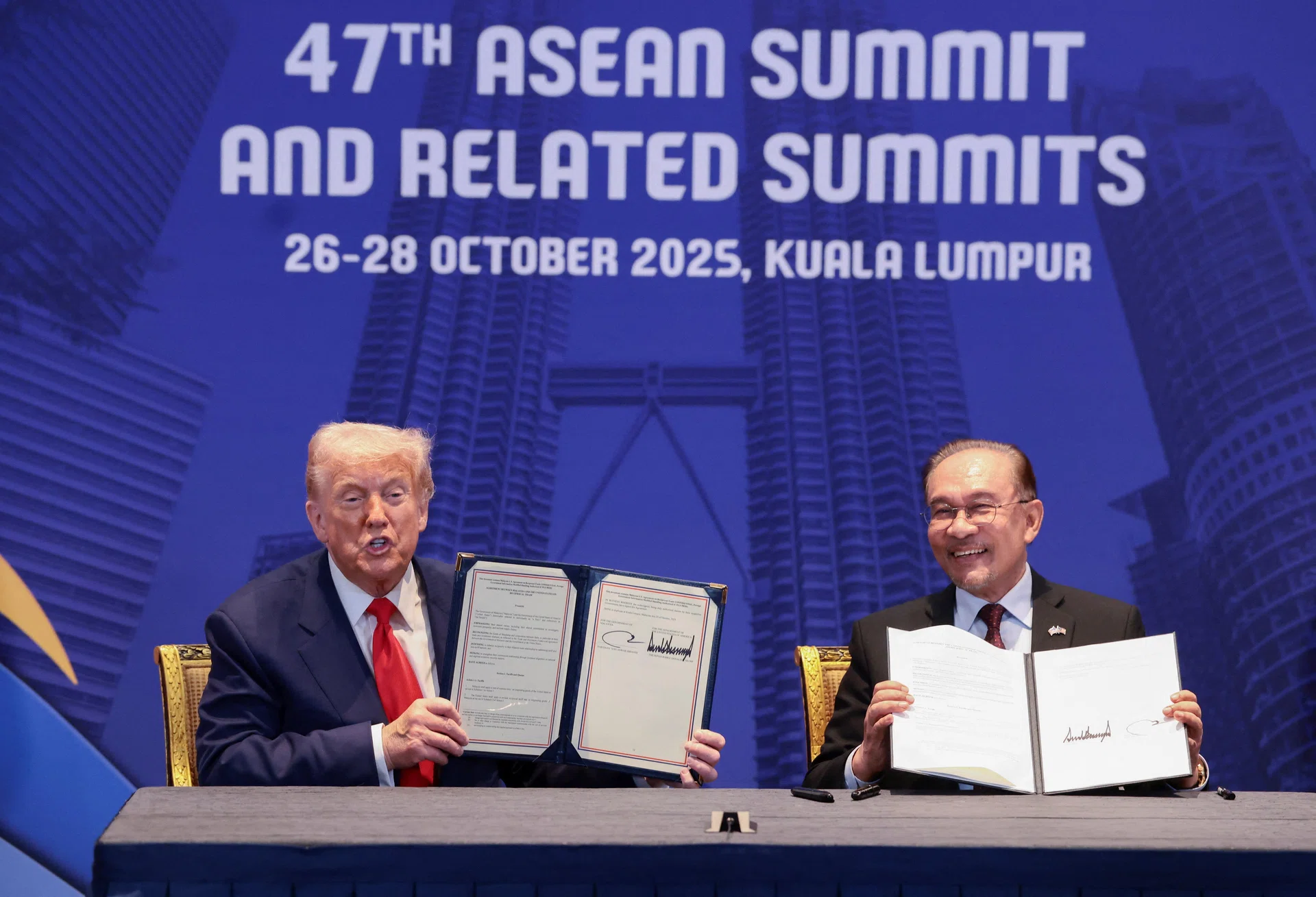
President Trump and PM Anwar Ibrahim signed a reciprocal trade agreement and critical minerals pact. Malaysia will provide preferential market access for U.S. chemicals, machinery, and vehicles, while committing to $70 billion in U.S. investments and $150 billion in commercial purchases.

The deal locks in a 19% tariff rate for Malaysian goods in exchange for concessions, including a pledge that Malaysia will not ban or restrict exports of rare earth elements to the U.S. and will partner with American firms to develop its critical minerals sector.

Following a Supreme Court ruling striking down earlier tariffs, Trump imposed a new 15% blanket levy. U.S. officials clarified that countries like Malaysia, which signed reciprocal trade deals, would continue to be taxed at their negotiated 19% rate rather than the new universal rate.
Document Type
White House Statement
Official Title
Agreement Between the United States of America and Malaysia on Recipricol Trade
Analysis generated by AI. Always verify with official sources.