
Senate Committee Advances FIRM Act to Ban "Reputational Risk" from Bank Exams
The Senate must act next: a Senate floor vote.
No action since March 2025
How this policy affects specific groups of people
Placed on Senate Legislative Calendar under General Orders. Calendar No. 32.
The bill is now on the schedule for the full chamber to consider. It's in line for debate and a vote.
Committee on Banking, Housing, and Urban Affairs. Reported by Senator Scott SC, under authority of the order of the Senate of 03/14/2025 with an amendment in the nature of a substitute. Without written report.
The committee approved this bill and is sending it to the full chamber for a vote. This is a significant step — most bills never get this far.
Committee on Banking, Housing, and Urban Affairs. Ordered to be reported with an amendment in the nature of a substitute favorably.
The committee approved this bill and is sending it to the full chamber for a vote. This is a significant step — most bills never get this far.
Read twice and referred to the Committee on Banking, Housing, and Urban Affairs.
Sent to a congressional committee for expert review. The committee decides whether this bill moves forward.
Introduced in Senate
The bill was officially filed and given a number. It now enters the legislative queue.

The House Financial Services Committee passed H.R. 2702, the FIRM Act, which would eliminate reputational risk from consideration in supervisory examinations. The measure passed 33-19 as part of a package aimed at limiting regulators' ability to make subjective determinations.
The Federal Reserve proposed officially striking 'reputational risk' from bank supervision, formalizing a shift away from the metric. The move aligns with the FIRM Act's goals to prevent 'debanking' based on political or religious beliefs or industry affiliations.
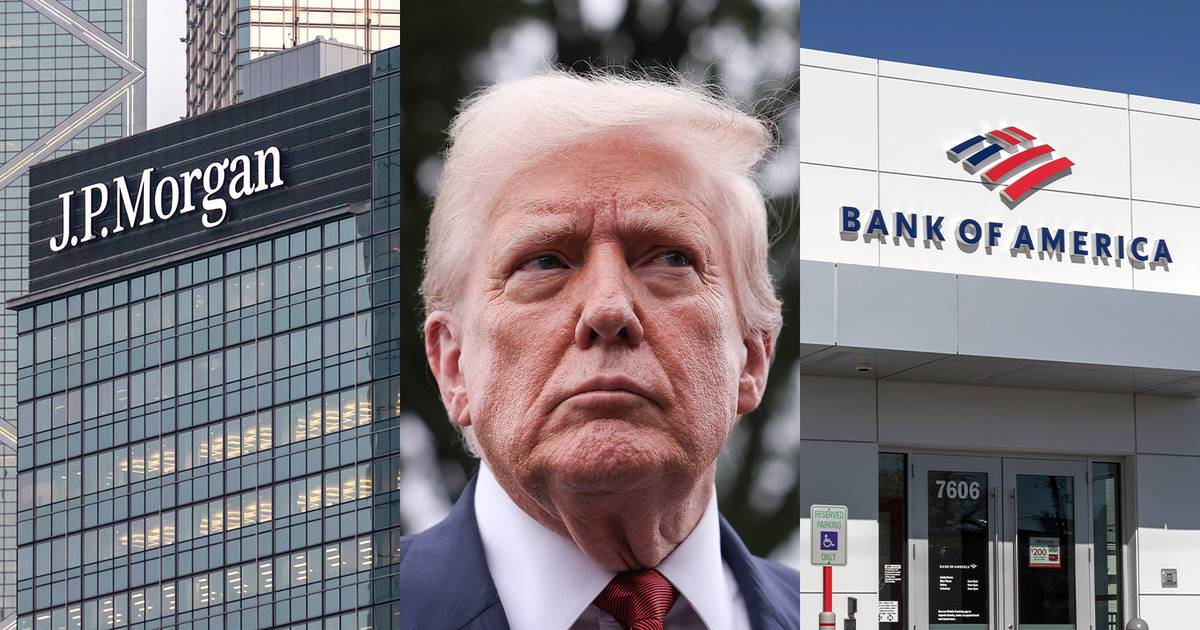
President Trump's claims of being 'debanked' have catalyzed support for the FIRM Act. The legislation, alongside a new executive order, aims to punish the banking industry for allegedly discriminating against customers for political reasons by removing 'reputational risk' as a legal justification.
No votes recorded for this bill yet.
Document Type
Congressional Bill
Official Title
FIRM Act
Analysis generated by AI. Always verify with official sources.