Skip to content
Govbase
Govbase
Congress·In Committee·S. 4024

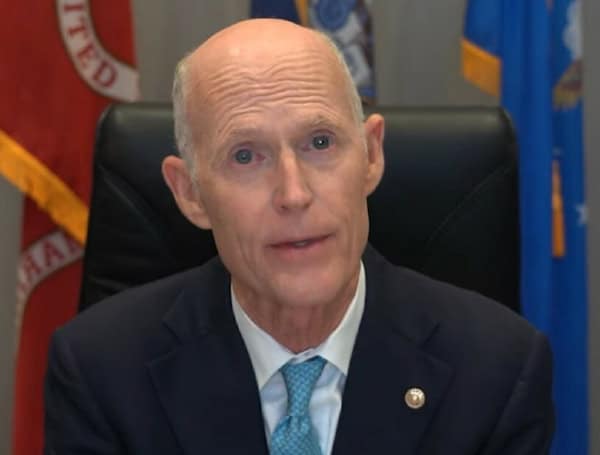
Sen. Scott Introduces the Federal Taxpayer Funds Protection and Clawback Act

Federal Taxpayer Funds Protection and Clawback Act

Legislative Progress

Senate
House
President
Law

Key Points

  • The bill expands the False Claims Act so the federal government can sue states and local governments for mishandling federal grant money. Right now, states are largely shielded from these lawsuits. This change would let the Attorney General treat states like any other person or business when federal pass-through funds are involved.
  • If the federal government sues a state over misused funds, the state must pay back 100% of the disputed money within 180 days — before any court ruling. The money sits in escrow until the case is resolved, and if the government wins, it goes toward deficit reduction instead of being returned.

    From policy text

    Not later than 180 days after written notice from the Attorney General or Inspector General with respect to the Attorney General initiating a civil action or intervening in a qui tam action under section 3730 involving Federal funds administered by a State or State agency, the State or State agency shall remit to the Treasury of the United States an amount equal to 100 percent of the amount of the Federal funds at issue
    View in full text
  • Any organization that receives federal money and is found to have violated federal immigration employment laws (like hiring undocumented workers) would have all federal funds immediately taken back. They could also be permanently banned from ever receiving federal funds again.

    From policy text

    If any recipient or subrecipient of Federal funds is found, by final agency determination or court judgment, to have violated section 274A of the Immigration and Nationality Act (8 U.S.C. 1324a), all Federal funds provided to such recipient or subrecipient, directly or indirectly, shall be immediately recouped
    View in full text
  • Federal agencies gain broader power to withhold payments, suspend awards, or initiate debarment proceedings against states and local governments that fail to comply with federal audit, record-keeping, and data-sharing requirements tied to their grant funding.
  • All provisions would take effect 180 days after the bill is signed into law, giving states and grant recipients a six-month window to prepare for the new accountability and clawback requirements.

    From policy text

    This Act, and the amendments made by this Act, shall take effect 180 days after the date of enactment of this Act.
    View in full text
Economy FinanceImmigrationCriminal Justice

Impact Analysis

Personal Impact

Scores: 1 = low, 5 = highSentiment: -5 to +5 (net benefit)

Milestones

2 milestones2 actions
Mar 5, 2026Senate

Read twice and referred to the Committee on the Judiciary.

Mar 5, 2026

Introduced in Senate

What Happens Next

Projected impacts based on AI analysis

180 days after enactment

New clawback and accountability rules take effect

States and grant recipients become subject to mandatory fund remittance, expanded False Claims Act liability, and new compliance enforcement tools 180 days after enactment.

180 days after enactment

States must certify compliance with federal audit and inspection requirements

Every state receiving federal funds must formally agree to abide by all federal audit, record-keeping, and data-sharing requirements as a condition of continued funding — creating a new baseline for accountability.

Source Information

Document Type

Congressional Bill

Official Title

Federal Taxpayer Funds Protection and Clawback Act

Bill NumberS 4024
Congress119th Congress
ChamberSenate
Latest ActionRead twice and referred to the Committee on the Judiciary.

Sponsor

Analysis generated by AI. Always verify with official sources.