
Sen. Barrasso's Pay Less at the Pump Act Would Axe Superfund Oil Tax to Cut Fuel Costs
A senate committee must act next: committee consideration.
Companion bill: Rep. Carey's Pay Less at the Pump Act Would End Superfund Oil Tax to Cut Gas Prices →This bill’s path across every version that has carried it.
Scores run from -100 (strongly harmful) to +100 (strongly beneficial) for each group, combining impact, certainty, scope, and duration ratings of 1-5. How impact scoring works
Homeowners near Superfund sites could face two competing effects. On one hand, slightly lower gas prices are a minor benefit. On the other hand, reduced Superfund cleanup funding could mean contaminated sites near their homes go uncleaned for longer, depressing property values and posing health risks. For the majority of homeowners far from such sites, the impact is negligible.
Read twice and referred to the Committee on Finance. (text: CR S611)
Sent to a congressional committee for expert review. The committee decides whether this bill moves forward.
Introduced in Senate
The bill was officially filed and given a number. It now enters the legislative queue.
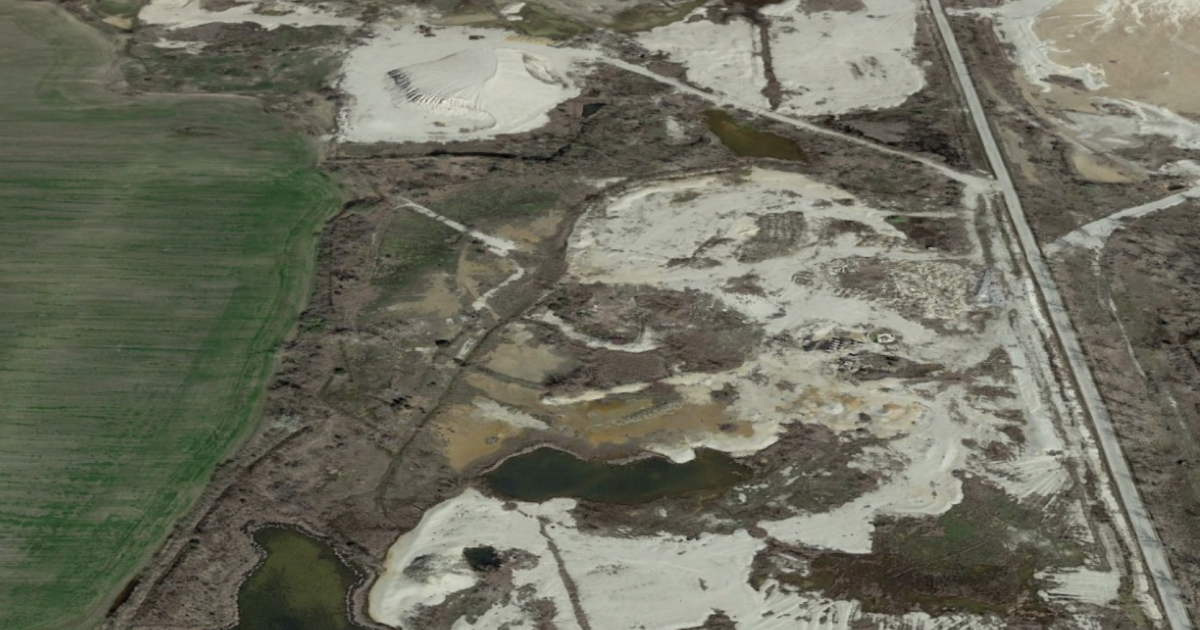
The Pay Less at the Pump Act of 2026 would repeal the Superfund tax on crude oil. While intended to lower gas prices, the move could impact funding for contaminated sites like Tar Creek. The tax was expected to add $11.7 billion to the cleanup program over 10 years.

A Republican proposal would wipe out the federal petroleum 'Superfund' excise tax, a move that could land close to home in Oklahoma where contaminated properties lean heavily on federal dollars. The bill would terminate the excise rate on crude oil and imported petroleum products.
No votes recorded for this bill yet.
Document Type
Congressional Bill
Official Title
Pay Less at the Pump Act of 2026
Analysis generated by AI. Always verify with official sources.