
Senate Bill Would Extend Home Energy Efficiency Tax Credits Through 2032
A senate committee must act next: committee consideration.
Scores run from -100 (strongly harmful) to +100 (strongly beneficial) for each group, combining impact, certainty, scope, and duration ratings of 1-5. How impact scoring works
While renters can't directly claim most of these credits, they could benefit indirectly. The Section 45L builder credit for energy-efficient multifamily construction could encourage more energy-efficient apartment buildings, potentially lowering utility costs for tenants. Additionally, renters who install qualifying solar panels at their residences may be eligible for the 25D credit. However, the direct benefit to most renters is limited.
Read twice and referred to the Committee on Finance.
Sent to a congressional committee for expert review. The committee decides whether this bill moves forward.
Introduced in Senate
The bill was officially filed and given a number. It now enters the legislative queue.

U.S. Senator Catherine Cortez Masto (D-Nev.) introduced the Lowering Home Energy Costs Act on Jan. 29, 2026. The bill aims to restore and extend tax credits for energy-efficient home construction and residential clean energy systems through 2032, reversing recent legislative repeals.
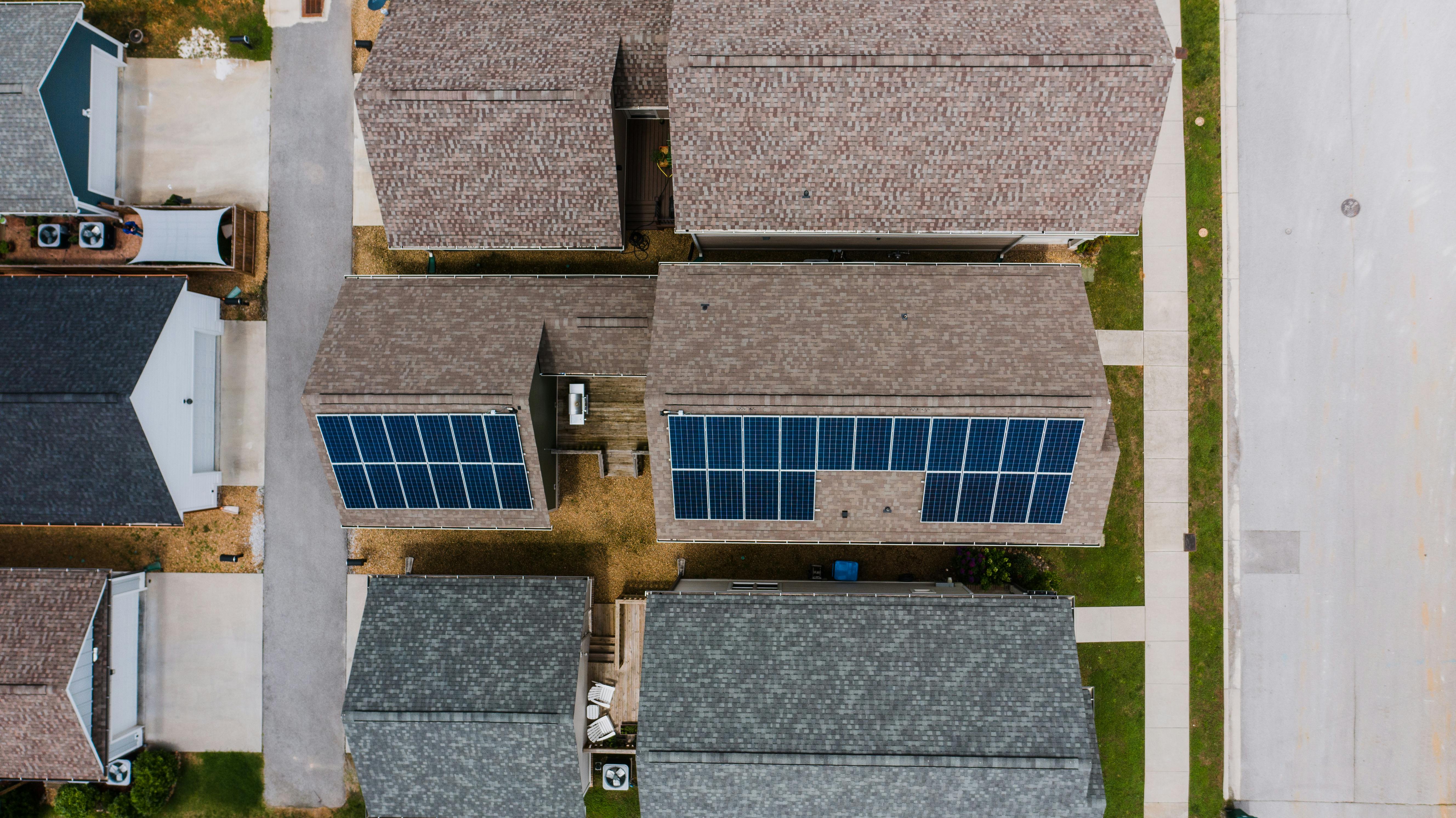
Senator Catherine Cortez Masto's new legislation, the Lowering Home Energy Costs Act, targets high utility bills by incentivizing energy-saving upgrades. The bill would extend federal tax credits for solar panels, insulation, and high-efficiency HVAC systems that were set to expire or were cut.
No votes or related bills recorded for this bill yet.
Document Type
Congressional Bill
Official Title
Lowering Home Energy Costs Act
Analysis generated by AI. Always verify with official sources.