
Senate Bill Would Slap $60 Carbon Fee on Steel, Cement Imports Starting in 2026
A senate committee must act next: committee consideration.
This bill’s path across every version that has carried it.
Scores run from -100 (strongly harmful) to +100 (strongly beneficial) for each group, combining impact, certainty, scope, and duration ratings of 1-5. How impact scoring works
Farmers and ranchers could see higher prices for key inputs like fertilizer (nitrogenous fertilizer manufacturing is a covered industry) and fuel, since petroleum refining and petrochemical manufacturing are covered. If foreign fertilizer producers have higher carbon intensity than U.S. producers, import fees could raise fertilizer costs further. However, if U.S. producers are cleaner than the benchmark, domestic input costs might stay stable while dirtier imports become more expensive.
Read twice and referred to the Committee on Finance.
Sent to a congressional committee for expert review. The committee decides whether this bill moves forward.
Introduced in Senate
The bill was officially filed and given a number. It now enters the legislative queue.
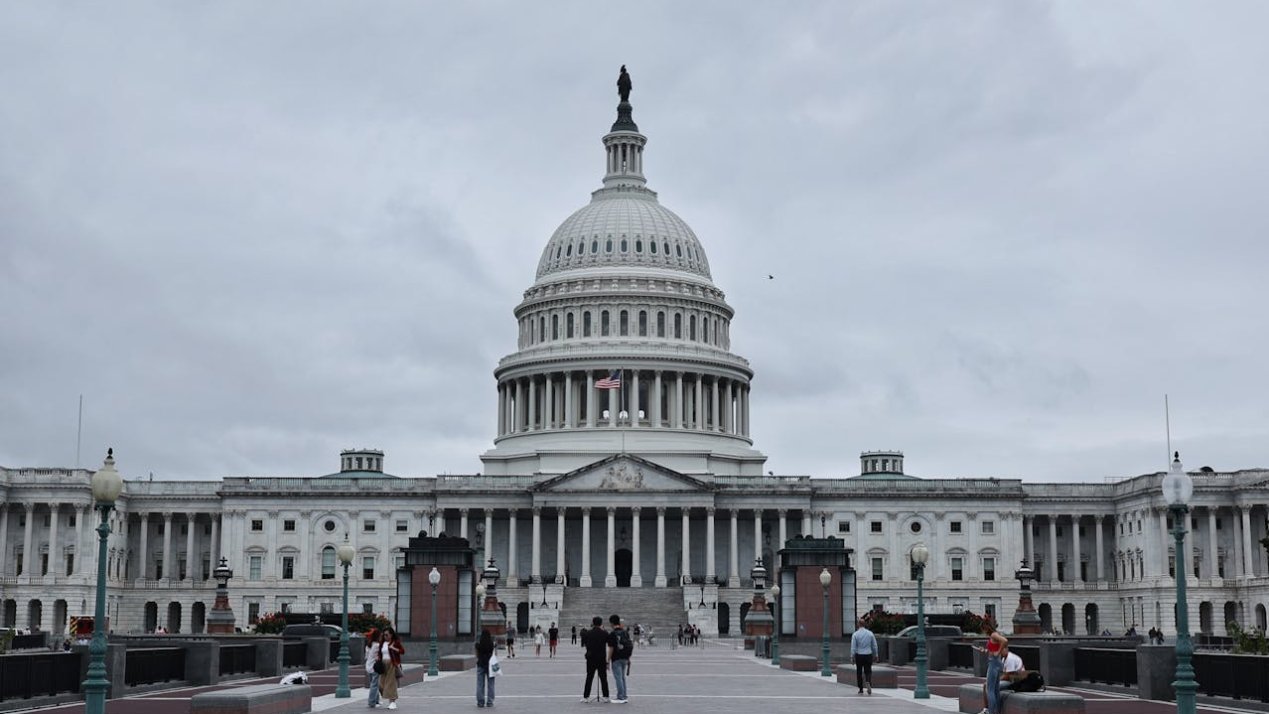
Democratic lawmakers reintroduced the Clean Competition Act (CCA), proposing a US carbon border adjustment mechanism to boost domestic manufacturing competitiveness. The bill imposes a carbon intensity charge on sectors like steel, aluminum, and cement starting at $60 per metric ton.

The Clean Competition Act would establish a carbon border adjustment mechanism (CBAM) to tax pollution-intensive imports. Sponsors frame the bill as a way to increase American competition with China, the world's top carbon polluter, by taxing high-emitting foreign goods.
No votes recorded for this bill yet.
Document Type
Congressional Bill
Official Title
Clean Competition Act
Analysis generated by AI. Always verify with official sources.