Skip to content
Congress·In Committee·8 months ago

Senate Bill Would Require Stores to Accept Cash for Purchases Up to $500

Also known as: Payment Choice Act of 2025

Legislative Progress

Filed
Review
Senate
House
President

Impacts

Mixed Impacts(2)
Small Business Owner
Neutral

Small businesses must accept cash and handle physical money, increasing operational complexity but potentially attracting more customers.

Sensory Disability
Neutral

Individuals with vision impairments may find cash easier than digital payments, though handling bills and coins can still be challenging.

Positive Impacts(8)
Immigrant
Helps

Immigrants without U.S. bank accounts can still shop at stores using cash, ensuring access to essential goods and services.

Undocumented
Helps

Undocumented individuals who cannot open bank accounts retain the ability to make purchases with cash at physical stores.

Retiree
Helps

Retirees who prefer cash over credit cards or don't use digital payment apps can continue shopping at all stores.

Student
Helps

Students without credit cards or bank accounts can use cash for purchases at campus stores and local businesses.

Homeowner
Helps

Homeowners can pay cash at hardware stores and home improvement retailers without being turned away.

Criminal Record
Helps

People with criminal records who may be denied bank accounts can still participate in the economy using cash.

Cognitive Developmental
Helps

People with cognitive disabilities who find digital payments confusing can use the familiar, tangible option of cash.

Mental Health
Helps

Individuals managing mental health conditions who prefer cash for budgeting can continue using this payment method everywhere.

Key Points

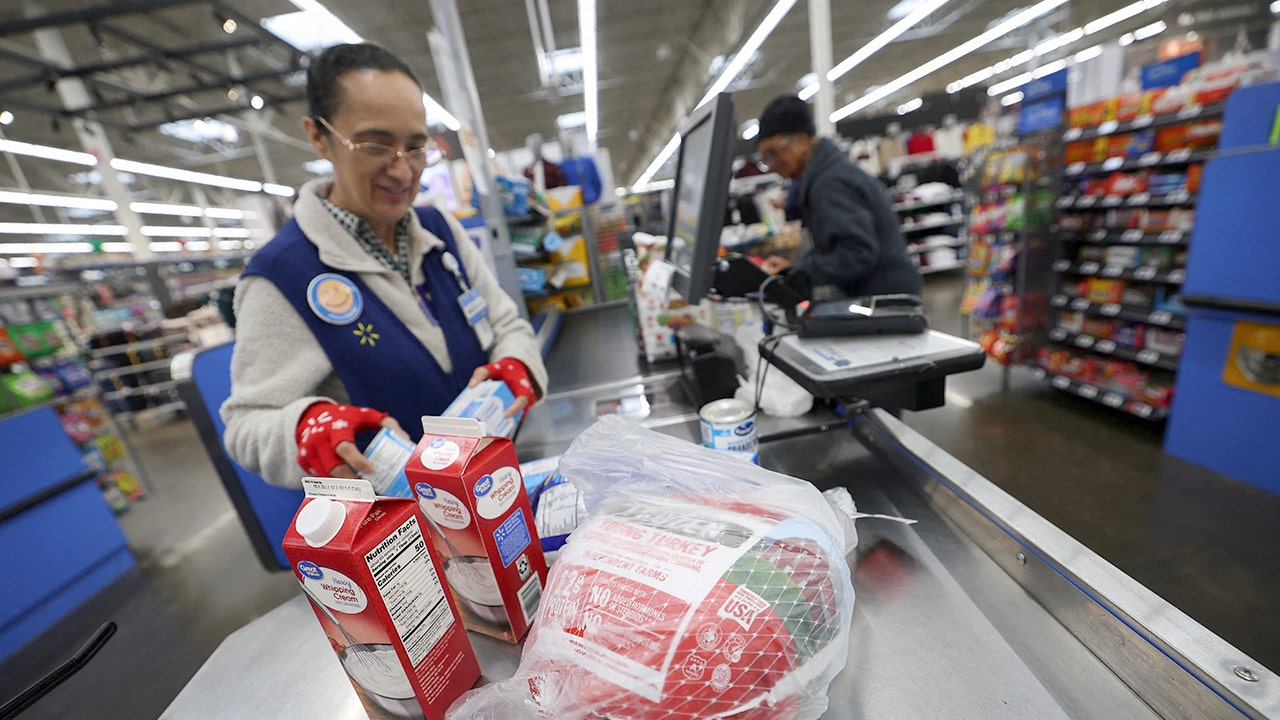
  • This bill would require almost all physical stores and service providers to accept cash for in-person purchases up to $500. It also prevents businesses from charging people more just because they choose to pay with paper money instead of a credit card.
  • The plan aims to help people who do not have bank accounts or credit cards, ensuring they can still buy what they need at local businesses. It protects the right of every consumer to use official U.S. currency for their daily shopping.
  • There are a few exceptions, such as if a store's registers are broken or if they run out of coins to make change. Stores can also avoid the rule if they provide a machine on-site that turns cash into a prepaid card for free.
  • For the first five years, stores would not be forced to accept $50 or $100 bills, though they must always accept $1, $5, $10, and $20 bills. After that time, the government will decide if larger bills must also be accepted.
  • If a store refuses to take cash, a customer can give them 45 days to fix the problem. If the store still refuses, the customer can sue for damages and the business could face government fines of up to $1,500 for repeat violations.
Consumer ProtectionSmall BusinessEconomyFinancial Services

Milestones

2 milestones2 actions
Jul 17, 2025Senate

Read twice and referred to the Committee on Banking, Housing, and Urban Affairs.

Jul 17, 2025

Introduced in Senate

What Happens Next

Projected impacts based on AI analysis

Within 6-12 months after bill becomes law

Cash acceptance requirement takes effect for stores

Physical stores must start accepting cash payments up to $500 per transaction or face potential lawsuits and fines.

Five years after the law takes effect

Government decides rules on large bill acceptance

The Treasury Department will determine whether stores must accept $50 and $100 bills, or can continue refusing them.

Related News

3 articles

Source Information

Document Type

Congressional Bill

Official Title

Payment Choice Act of 2025

Bill NumberS 2326
Congress119th Congress
ChamberSenate
Latest ActionRead twice and referred to the Committee on Banking, Housing, and Urban Affairs.

Sponsor

Cosponsors

(1)
D: 1

Analysis generated by AI. While we strive for accuracy, this should not be considered legal or professional advice. Always verify information with official government sources.