
Senate Bill Would Ban Federal Reserve from Developing a Digital Dollar
A senate committee must act next: committee consideration.
No action since March 2025
This bill’s path across every version that has carried it.
How this policy affects specific groups of people
Read twice and referred to the Committee on Banking, Housing, and Urban Affairs.
Sent to a congressional committee for expert review. The committee decides whether this bill moves forward.
Introduced in Senate
The bill was officially filed and given a number. It now enters the legislative queue.
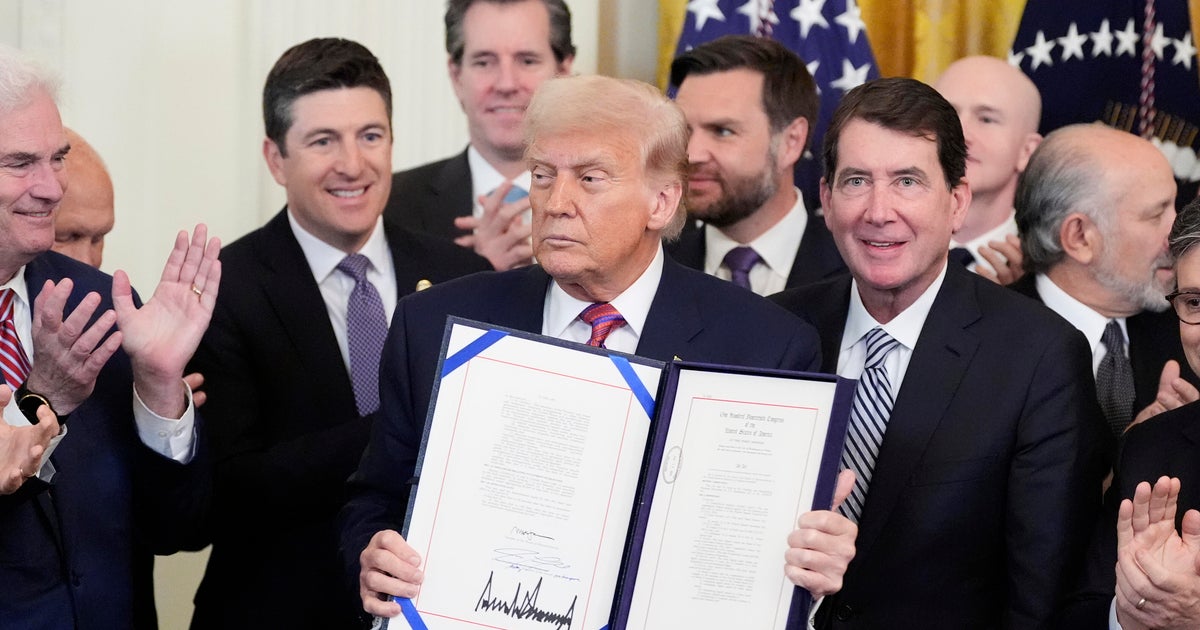
Lawmakers approved the Anti-CBDC Surveillance State Act, which prevents the Federal Reserve from issuing any retail central bank digital currency directly to Americans. The legislation is seen by the Trump administration as a way to prioritize private innovation over government-run currency.

The House is set to vote on the Anti-CBDC Surveillance State Act during 'Crypto Week.' The bill is part of a broader GOP push to revamp rules in favor of the industry and block the development of a government-controlled digital dollar that could compete with private stablecoins.
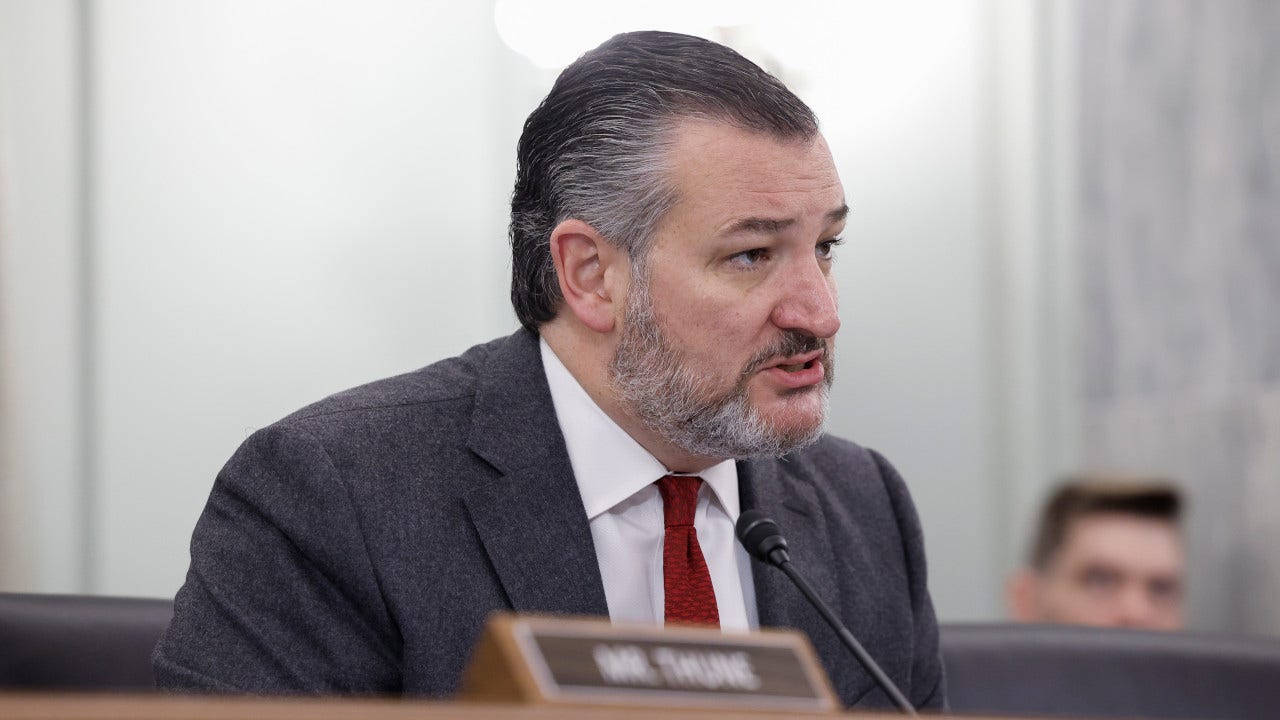
Senator Ted Cruz and GOP colleagues introduced the Senate companion to the Anti-CBDC Surveillance State Act. Cruz argued that a digital dollar would give the government unprecedented surveillance powers, emulating China's use of CBDCs to track personal spending habits.
No votes recorded for this bill yet.
Document Type
Congressional Bill
Official Title
Anti-CBDC Surveillance State Act
Analysis generated by AI. Always verify with official sources.