
House Bill Would End Cuba Trade Embargo and Open Travel for All Americans
This bill is currently in the early stages of the legislative process and has been sent to several House committees for review. No action has been taken on the bill since February 2026, which means it has been stalled for about four months. Most bills do not move past this committee stage.
Scores run from -100 (strongly harmful) to +100 (strongly beneficial) for each group, combining impact, certainty, scope, and duration ratings of 1-5. How impact scoring works
American farmers and ranchers would gain a new export market. Cuba imports a significant share of its food, and lifting the embargo would allow U.S. agricultural producers to compete for that business under normal trade terms instead of the current cash-only, limited framework. Rice, poultry, grain, and dairy producers could particularly benefit. The bill also repeals sugar quota restrictions related to Cuba, which could affect domestic sugar producers.
Referred to the Committee on Foreign Affairs, and in addition to the Committees on Ways and Means, Energy and Commerce, the Judiciary, Agriculture, and Financial Services, for a period to be subsequently determined by the Speaker, in each case for consideration of such provisions as fall within the jurisdiction of the committee concerned.
Sent to a congressional committee for expert review. The committee decides whether this bill moves forward.
Introduced in House
The bill was officially filed and given a number. It now enters the legislative queue.
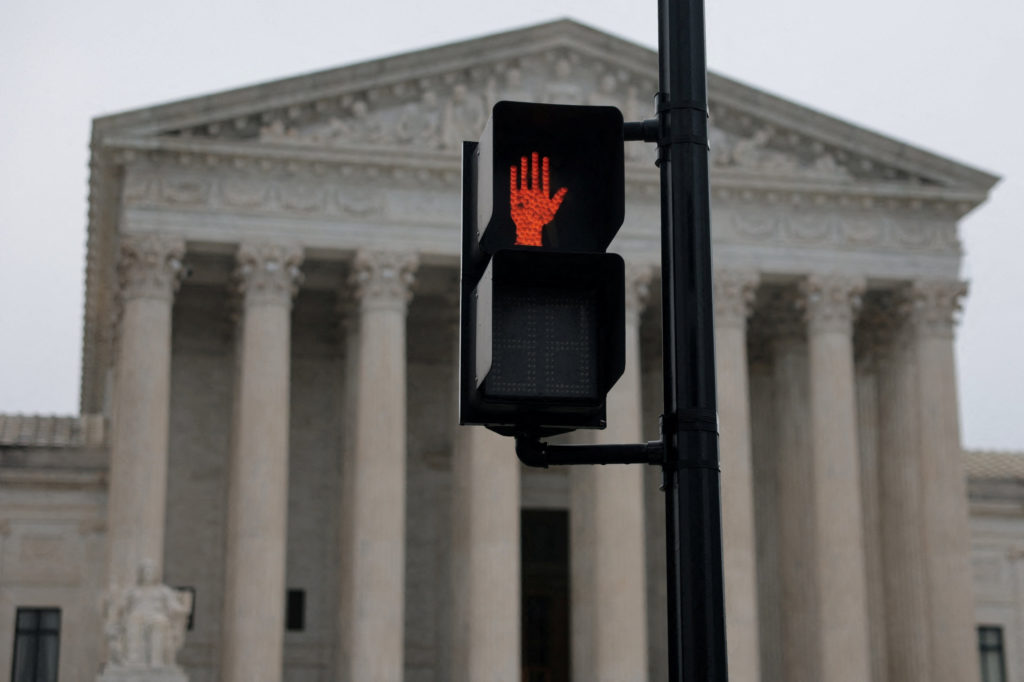
The Supreme Court struck down President Trump's use of the IEEPA to impose global tariffs, specifically impacting the fuel blockade against Cuba. The ruling has provided fresh momentum for the United States-Cuba Trade Act of 2026, which aims to permanently repeal the embargo's legal framework.
Democratic Representative Jim McGovern and Senators Ron Wyden and Jeff Merkley introduced the United States-Cuba Trade Act of 2026 (H.R. 7521/S. 136). The bill seeks to repeal the 60-year embargo, lifting restrictions on trade, travel, and telecommunications in response to recent US oil blockades.

On February 12, Rep. McGovern introduced H.R. 7521 to repeal the statutory basis for the U.S. embargo on Cuba. Activists are focusing energy on Congress to support this end to the blockade, joining a coalition that argues U.S. aggression creates misery while failing to achieve political goals.
No votes recorded for this bill yet.
Document Type
Congressional Bill
Official Title
United States-Cuba Trade Act of 2026
Analysis generated by AI. Always verify with official sources.