
House Bill Would Delay Medicare Physician Pay Cuts Until 2030
This bill is currently sitting in the House Energy and Commerce and Ways and Means committees. It has not seen any action since February 11, 2026, which means it has been stalled for about four months. Most bills like this do not receive a committee vote and do not move forward.
Scores run from -100 (strongly harmful) to +100 (strongly beneficial) for each group, combining impact, certainty, scope, and duration ratings of 1-5. How impact scoring works
Many physician practices, especially smaller and independent ones, operate as small businesses. The planned efficiency adjustment would have cut reimbursements for services that haven't been revalued in over a decade, disproportionately hitting certain specialties. Delaying the cut until 2030 and slightly boosting the 2026 conversion factor gives these practices more financial stability and time to plan. The bill also requires the government to consult with affected specialties before any future implementation.
Referred to the Committee on Energy and Commerce, and in addition to the Committee on Ways and Means, for a period to be subsequently determined by the Speaker, in each case for consideration of such provisions as fall within the jurisdiction of the committee concerned.
Sent to a congressional committee for expert review. The committee decides whether this bill moves forward.
Introduced in House
The bill was officially filed and given a number. It now enters the legislative queue.
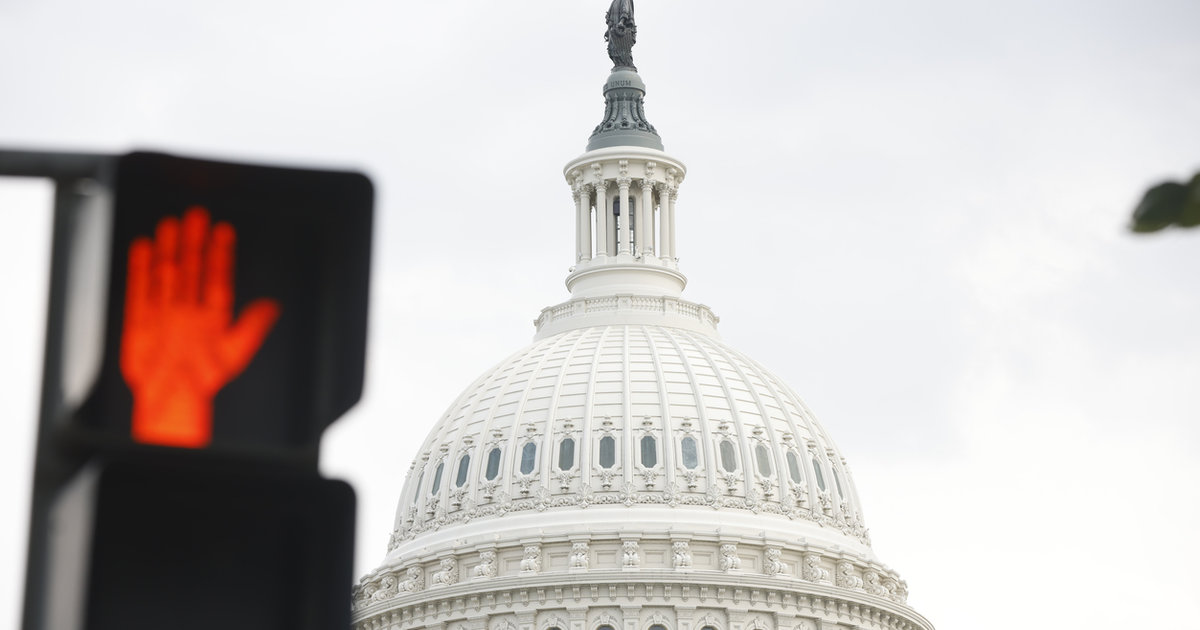
Bipartisan House members introduced the Efficiency Adjustment Delay Act (H.R. 7520) to postpone a 2.5% Medicare pay cut until 2030. The bill responds to concerns that the 'efficiency' metric, based on assumptions about AI and technology, fails to reflect the reality of rising practice costs.
The Efficiency Adjustment Delay Act aims to halt a 2.5% reduction in work RVUs included in the 2026 Medicare Physician Fee Schedule. Dr. Friederike Keating noted the adjustment assumes physicians become more efficient over time, a premise doctors argue is not supported by clinical data.
CMS proposed a first-of-its-kind 'efficiency adjustment' to work RVUs, cutting them by 2.5% to account for practice efficiencies. This policy, part of the 2026 draft regulation, has sparked significant pushback from physician groups who argue it dampens necessary reimbursement.
No votes or related bills recorded for this bill yet.
Document Type
Congressional Bill
Official Title
Efficiency Adjustment Delay Act
Analysis generated by AI. Always verify with official sources.