
House Bill Would Strip Tax Breaks From Firms Using Chinese, Russian Tech
A house committee must act next: committee consideration.
Scores run from -100 (strongly harmful) to +100 (strongly beneficial) for each group, combining impact, certainty, scope, and duration ratings of 1-5. How impact scoring works
Small businesses that rely on cheaper technology products from foreign adversaries (like certain Chinese-made hardware, software, or cloud services) would lose key tax breaks if they continue using that tech. This includes losing bonus depreciation on equipment purchases and research tax credits, which could significantly raise their effective tax bills and force costly transitions to alternative technology providers.
Referred to the House Committee on Ways and Means.
Introduced in House
The bill was officially filed and given a number. It now enters the legislative queue.

Rep. Nathaniel Moran (R-Texas) introduced legislation to prevent businesses from claiming bonus depreciation, R&D expensing, and credits if they use technology controlled by foreign adversaries, aiming to pressure companies in energy and utility sectors to sever ties with China-linked software.
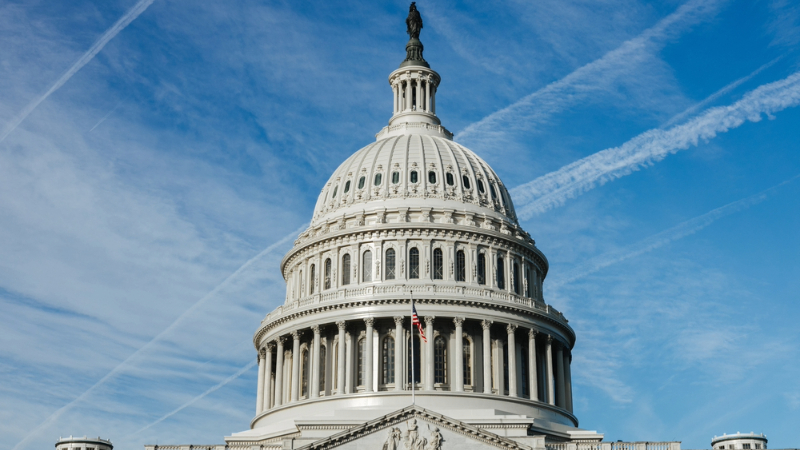
The Deterring Adversarial Access to Americans' Data Act would close a gap in the Internal Revenue Code by extending Foreign Entity of Concern (FEOC) restrictions to major business tax incentives, including bonus depreciation and research tax credits.
No votes or related bills recorded for this bill yet.
Document Type
Congressional Bill
Official Title
Deterring Adversarial Access to Americans’ Data Act
Analysis generated by AI. Always verify with official sources.