
House Bill Would Require Auto Braking Systems to Detect Pedestrians, Cyclists, and Wheelchair Users
This bill is currently in the House Committee on Energy and Commerce after a subcommittee moved it forward in February 2026. No action has been taken on the bill since February 2026, which is a period of four months. The full committee must now decide whether to consider the bill before it can move any further.
Scores run from -100 (strongly harmful) to +100 (strongly beneficial) for each group, combining impact, certainty, scope, and duration ratings of 1-5. How impact scoring works
Auto dealers and small businesses in the automotive supply chain may face higher vehicle costs as manufacturers pass along the expense of upgraded braking technology. However, businesses that rely on delivery vehicles or fleets could benefit from fewer accidents and lower insurance costs over time.
Forwarded by Subcommittee to Full Committee by Voice Vote.
Subcommittee Consideration and Mark-up Session Held
Referred to the House Committee on Energy and Commerce.
Introduced in House
The bill was officially filed and given a number. It now enters the legislative queue.
Referred to the Subcommittee on Commerce, Manufacturing, and Trade.
Sent to a congressional committee for expert review. The committee decides whether this bill moves forward.
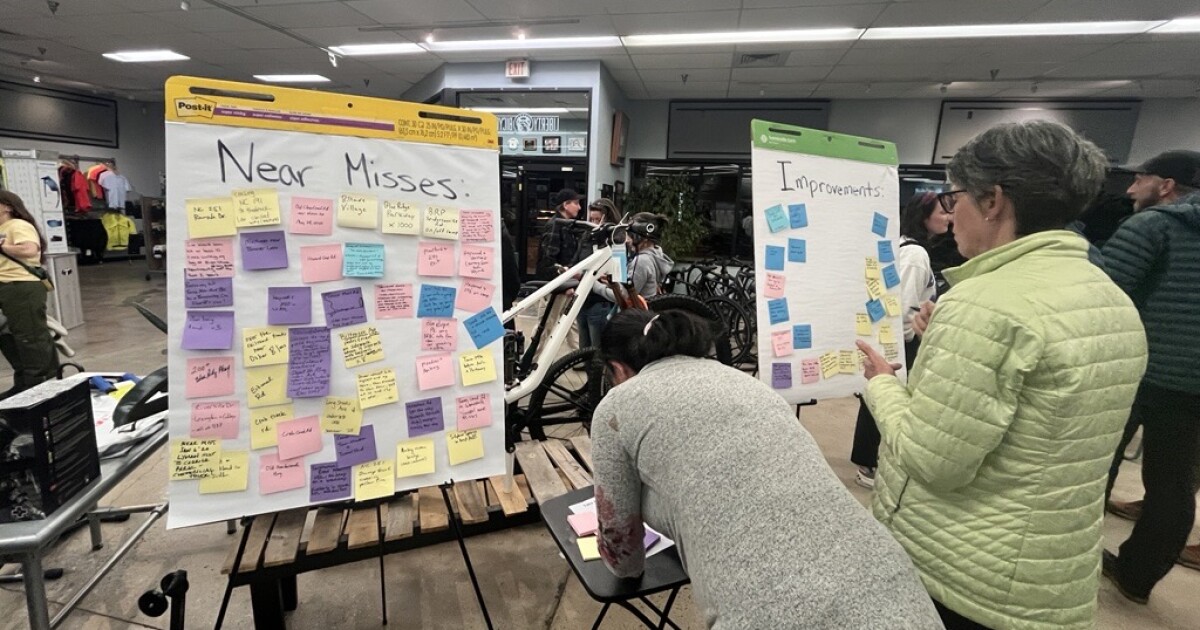
Cyclists in North Carolina are advocating for the Magnus White Act, which would update federal safety standards to require automatic braking systems to detect vulnerable road users. Current rules only mandate detection for other vehicles, leaving cyclists and pedestrians at risk.

The Magnus White Cyclist Safety Act calls on the U.S. Secretary of Transportation to establish rules requiring cars to have automatic braking systems that detect not only cars but other 'vulnerable road users' regardless of skin tone or clothing, following the death of a rising cycling star.
No votes or related bills recorded for this bill yet.
Document Type
Congressional Bill
Official Title
Magnus White and Safe Streets for Everyone Act of 2026
Analysis generated by AI. Always verify with official sources.