
House Bill Would Force Police Departments to Publicly Report Misconduct Costs or Risk Losing Federal Funds
A house committee must act next: committee consideration.
This bill’s path across every version that has carried it.
Reintroduced
Reintroduced from H.R. 5624 (118th), which died when its Congress ended.
H.R. 5624 (118th) →Scores run from -100 (strongly harmful) to +100 (strongly beneficial) for each group, combining impact, certainty, scope, and duration ratings of 1-5. How impact scoring works
Federal law enforcement officers would be subject to new reporting requirements that track their involvement in misconduct allegations, including their race, age, and sex. While names wouldn't be published, agencies would need to document personnel actions like demotions or terminations tied to misconduct cases, creating a more formalized accountability system that could affect career outcomes.
Referred to the House Committee on the Judiciary.
Introduced in House
The bill was officially filed and given a number. It now enters the legislative queue.

Senator Tim Kaine and Rep. Don Beyer reintroduced the Cost of Police Misconduct Act in early 2026. The bill requires federal and local agencies to report settlements and judgments to the DOJ, aiming to reveal the 'staggering financial toll' of misconduct often hidden from the public.
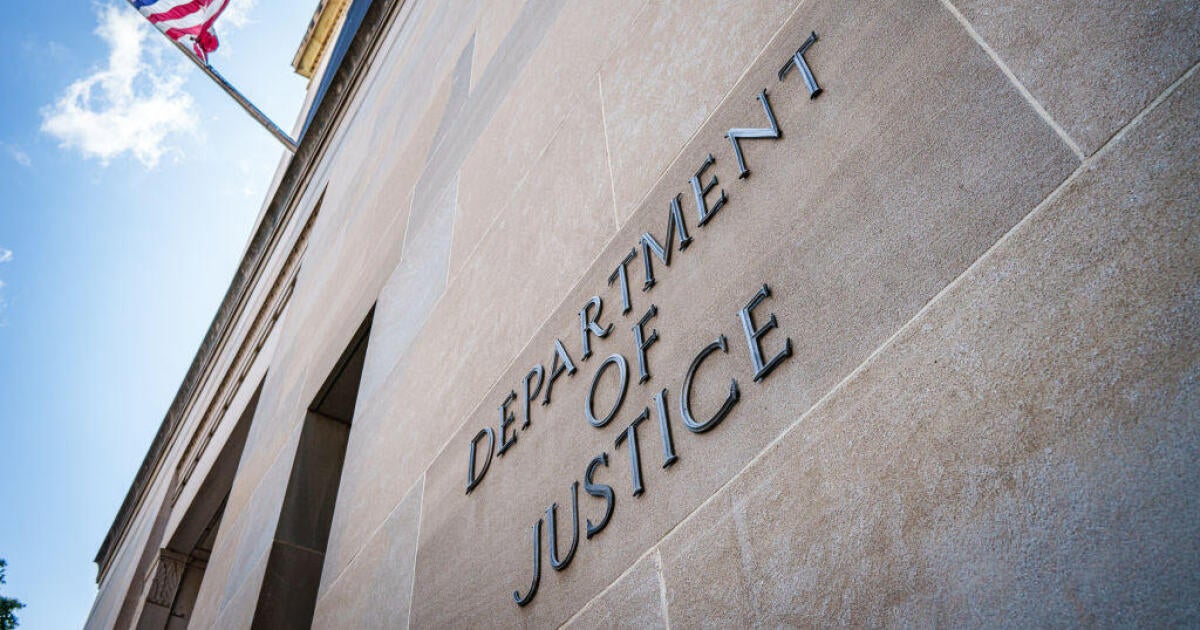
The DOJ confirmed the decommissioning of the National Law Enforcement Accountability Database (NLEAD) following an executive order from President Trump. This move rescinded Biden-era transparency efforts, prompting lawmakers to introduce new legislation like the Cost of Police Misconduct Act.
Discussing the reintroduction of the Cost of Police Misconduct Act of 2026, this report examines the financial burden of police lawsuits. It notes that while officers rarely pay for their own misconduct, taxpayers in cities like Chicago and New York pay hundreds of millions in annual settlements.
No votes recorded for this bill yet.
Document Type
Congressional Bill
Official Title
Cost of Police Misconduct Act of 2026
Analysis generated by AI. Always verify with official sources.