
Bill curbs big-bank takeovers of failed banks, requires proof of need and public reports
This bill is now ready for a vote by the full House of Representatives after being approved by a committee in February 2026. Although no progress occurred for five months, the bill is scheduled for a vote during the week of July 13, 2026. It is now moving forward again after a period of inactivity.
This bill’s path across every version that has carried it.
Reintroduced
Reintroduced from H.R. 3914 (118th), which died when its Congress ended.
H.R. 3914 (118th) →How this policy affects specific groups of people
Received in the Senate and Read twice and referred to the Committee on Banking, Housing, and Urban Affairs.
Sent to a congressional committee for expert review. The committee decides whether this bill moves forward.
Motion to reconsider laid on the table Agreed to without objection.
On motion to suspend the rules and pass the bill, as amended Agreed to by voice vote. (text: CR H4438-4440)
The House fast-tracked this bill — limited debate, no amendments allowed, but needs two-thirds support to pass.
Passed/agreed to in House: On motion to suspend the rules and pass the bill, as amended Agreed to by voice vote.
The House fast-tracked this bill — limited debate, no amendments allowed, but needs two-thirds support to pass.
DEBATE - The House proceeded with forty minutes of debate on H.R. 6556.

Coverage of the House Financial Services Committee hearing that bundled multiple failed‑bank resolution ideas. Lawmakers aired concerns on deposit‑insurance hikes and discussed tweaks to FDIC tools, competition, and least‑cost resolution tradeoffs.
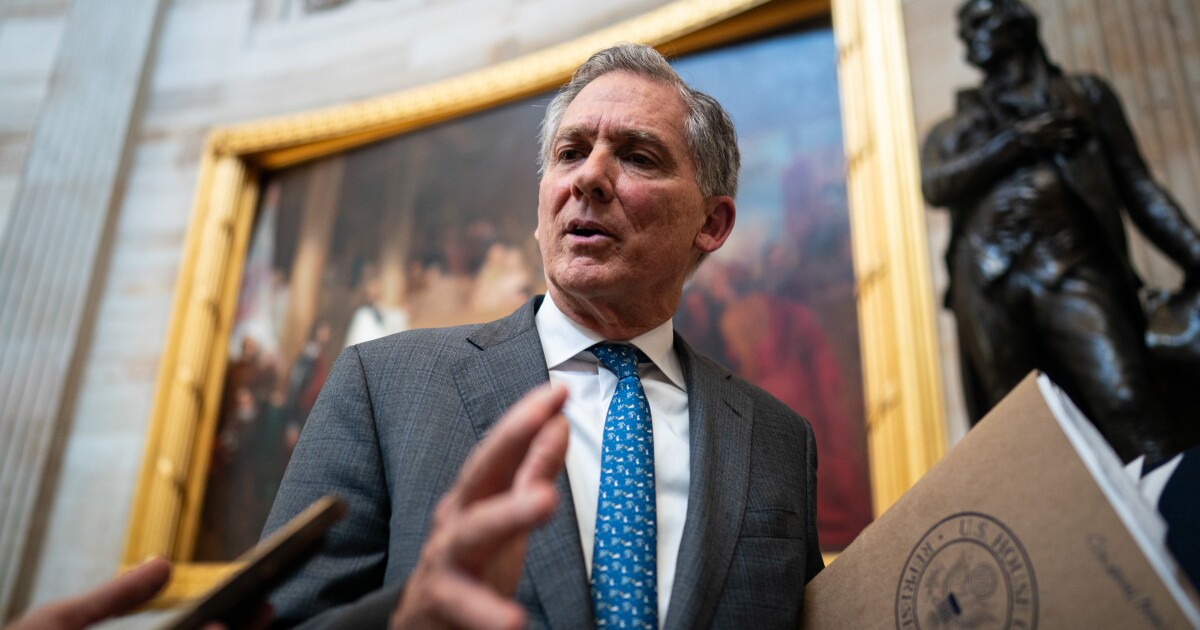
Article notes the House panel’s broader rethink of bank‑failure tools, including discussion around least‑cost rules and competition in failed‑bank sales—context directly tied to proposals like restricting megabank purchases of failed banks.
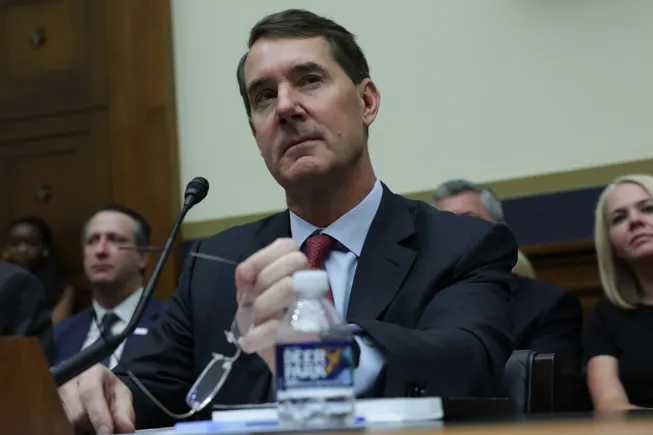
PNC’s CEO downplays odds of large bank deals in the near term and flags execution risk. While not about the bill, it reflects the market context for tougher scrutiny of large-bank acquisitions of troubled institutions.
No votes or related bills recorded for this bill yet.
Document Type
Congressional Bill
Official Title
Failing Bank Acquisition Fairness Act
Analysis generated by AI. Always verify with official sources.