
House Committee Advances Balanced Budget Constitutional Amendment
This bill is currently stalled in the House after failing to pass a floor vote on March 17, 2026. Nothing has happened with the proposal since that vote three months ago. The House must decide to hold another vote for the bill to move forward.
Scores run from -100 (strongly harmful) to +100 (strongly beneficial) for each group, combining impact, certainty, scope, and duration ratings of 1-5. How impact scoring works
With overall federal spending capped, the federal workforce would likely face hiring freezes, pay constraints, or reductions in force as agencies try to stay within budget limits. Federal employee benefits and retirement programs could also be targets for savings when Congress needs to trim spending to meet the constitutional requirement.
On motion to suspend the rules and pass the resolution Failed by the Yeas and Nays: (2/3 required): 211 - 207 (Roll no. 95).
The House fast-tracked this bill — limited debate, no amendments allowed, but needs two-thirds support to pass.
Failed of passage/not agreed to in House On motion to suspend the rules and pass the resolution Failed by the Yeas and Nays: (2/3 required): 211 - 207 (Roll no. 95).
The House fast-tracked this bill — limited debate, no amendments allowed, but needs two-thirds support to pass.
Considered as unfinished business. (consideration: CR H2583-2584)
At the conclusion of debate, the Yeas and Nays were demanded and ordered. Pursuant to the provisions of clause 8, rule XX, the Chair announced that further proceedings on the motion would be postponed.
DEBATE - Pursuant to the provisions of H. Res. 1115, the House proceeded with one hour of debate on H.J. Res. 139
On Motion to Suspend the Rules and Pass
During a House Judiciary Committee markup, Chairman Jim Jordan advocated for a constitutional amendment requiring a balanced budget. The proposal includes a two-thirds vote requirement for tax hikes and spending caps based on historical revenue, intended to force fiscal discipline.

Gov. Ron DeSantis testified in Kentucky in support of a national balanced budget amendment, part of a broader push to pressure Congress. Critics argue such amendments could force catastrophic cuts to Social Security and Medicare and prevent necessary borrowing during economic downturns.
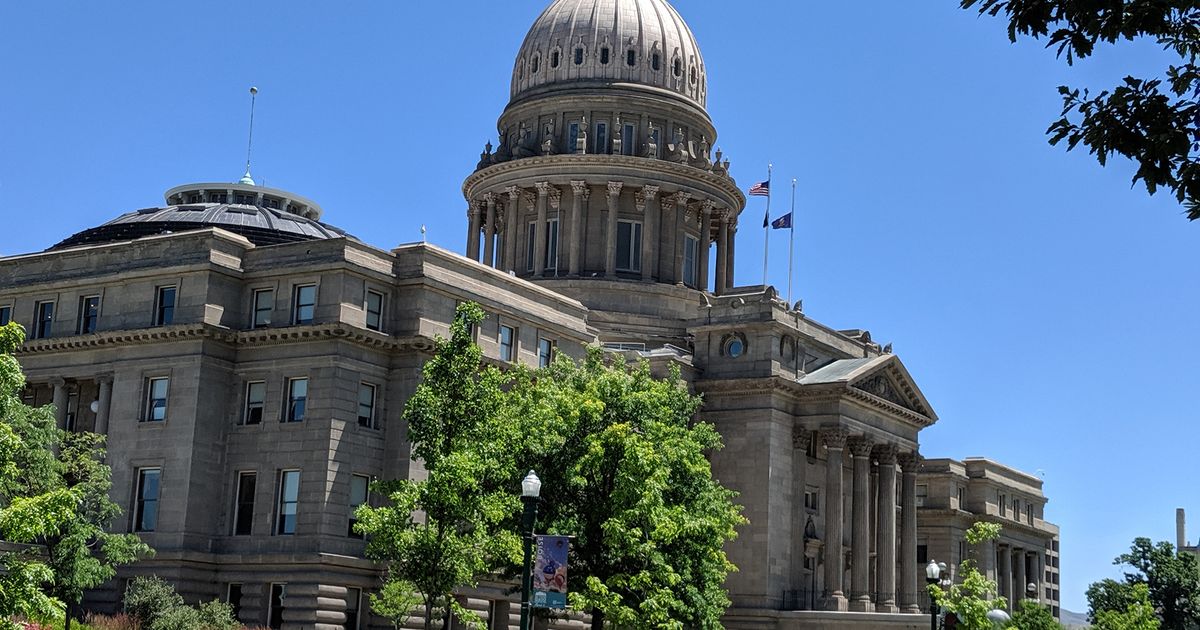
The Idaho House narrowly passed a resolution calling for a constitutional convention to propose a federal balanced budget amendment. Proponents argue the move is necessary to pressure Congress into fiscal responsibility, while critics fear a 'runaway' convention could upend the Constitution.
No related bills recorded for this bill yet.
Document Type
Congressional Bill
Official Title
Proposing an amendment to the Constitution of the United States requiring a balanced budget for the Federal Government.
Analysis generated by AI. Always verify with official sources.